
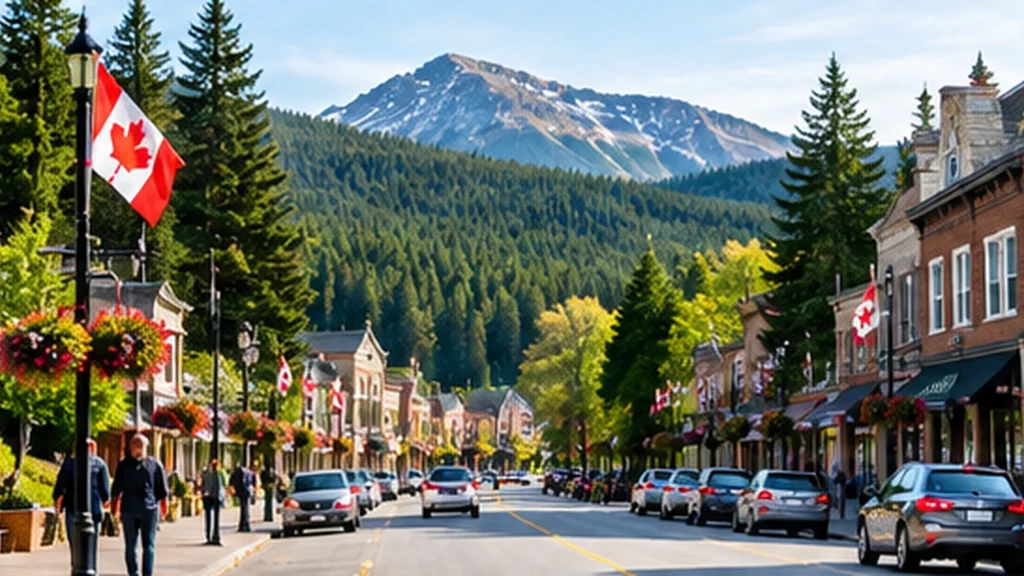
Rural community immigration can connect eligible skilled workers and graduates with communities that need specific workers. It is not a program for every small town or every rural job. Community participation, designated employers, locally identified occupations, a qualifying offer and a recommendation determine whether a route may be available. The federal government assesses permanent residence after the local requirements have been met.
Important transition in 2026 and 2027
IRCC’s current instructions distinguish the Rural Community Immigration Pilot (RCIP) from the new permanent Rural Community Immigration Program. The pilot is scheduled to close on January 1, 2027; the permanent program opens on that date. The government has published separate instructions for the pilot and permanent program. As of November 26, 2026, do not submit a permanent-program application on the assumption it is already accepting new cases. Check the recommendation date, the applicable transitional requirements and the correct federal application page. The permanent program’s PR instructions specify a recommendation dated on or after January 1, 2027. Applicants who already have pilot recommendations must follow the official pilot and transition instructions rather than automatically changing programs.
How the community-based model works
The participating community identifies local labour needs and manages employer designation and candidate recommendations under the relevant program. A business may be approved to participate but may not have an open position or recommendation allocation. A valid job offer needs to meet the applicable job and employer conditions. The community evaluates the candidate and offer under its current criteria. The applicant then uses the appropriate federal process and meets the federal requirements. A community recommendation is not a visa or a work permit.
Eligibility and practical preparation
Read the eligibility page for the correct version of the program. Assess the occupation, paid work experience and any graduate exemption, education or ECA, approved language test, settlement funds and intended residence. Communities may publish priority sectors and specific occupational codes. A job’s location alone cannot make it eligible. A remote or home-based role with a company located elsewhere may not meet the same conditions as genuine employment in the participating community. Check the worksite, hours, duties and employer designation.
Prepare employment references and a detailed record of your experience. Identify licensing needs before accepting a regulated role. If you are a recent graduate, do not assume that any Canadian diploma provides an experience exemption; verify the location, institution, residence and graduation conditions. Review the actual language benchmark for the occupation and program rather than guessing based on a different pilot.
Finding suitable employment
Start with the official federal list of participating communities, then go directly to each community’s official immigration or economic-development page. Read the current employer and sector lists, application windows and recommendation process. Verify the employer’s website and the vacancy, then apply with a relevant résumé and references. Ask whether the employer is designated for this program and whether the job is eligible for a recommendation. Never buy a community recommendation, job offer or supposed guaranteed nomination.
For example, a qualified mechanic living outside Canada might find a repair shop in a participating community. The next step is not an immediate PR application: first confirm that the shop and occupation are eligible, that the offer is genuine and that the community can issue a recommendation under the correct program. An international graduate already living in the community may have a different evidence path, but must still meet the specific requirements.
Step-by-step process
- Select a participating community in which you genuinely intend to reside. Check housing, transport, services and current priority occupations.
- Verify the appropriate program for the date of your recommendation and the current local intake instructions.
- Obtain a qualifying offer from a designated employer; review pay, location, hours and conditions.
- Assemble the language, experience, educational and funds evidence required by the applicable program.
- Follow the community’s recommendation process, retaining the official documents and their dates.
- Apply for federal PR only through the appropriate application process. Check any temporary work permit option separately.
- Maintain valid immigration status and respond to requests. Move only when you have the necessary authorisation and a realistic settlement plan.
The Francophone community pathway
The Francophone Community Immigration Pilot (FCIP) is a separate permanent residence option for eligible candidates who wish to settle in participating Francophone-minority communities outside Quebec. It has its own language, employer and community criteria. A French-speaking applicant may compare FCIP, the rural program and Express Entry, but must not assume the requirements or communities are interchangeable. The French language requirement in one stream may differ from another.
Funds, fees and settlement
Prepare a relocation budget for rent deposits, transport, food and heating. An employer’s offer may not include accommodation. Verify whether funds evidence is required and use the current federal table. Consult the government’s official fees and processing estimates; local recommendation time is separate from the federal processing stage. For a small community, investigate public transit, winter travel, access to medical services and schooling before committing. Local settlement providers may be able to explain practical services and orientation.
FAQ
Is the old Rural and Northern Immigration Pilot still open?
RNIP is a former program; do not confuse it with RCIP or the permanent successor. Consult the current official permanent residence program index.
Can I move to any rural town?
No. These routes are built around participating communities and their rules. A rural address does not by itself create eligibility.
Is a recommendation enough to work?
No. Apply separately for any required work authorisation and follow its conditions.
Can I apply to the permanent program now?
The official opening date is January 1, 2027. Check the transition rules and program page before filing an application.
What to do next
Choose a realistic community, read the current official instructions, confirm the offer and recommendation process, and keep evidence of each step. Update your research immediately if a community changes its priorities or intake.
Illustrative federal application budget
The official federal fee schedule consulted for this guide lists CAD $1,590 for a principal applicant in the economic immigration categories (including Express Entry, PNP, AIP and Quebec-selected skilled workers), consisting of $990 processing and $600 right of permanent residence. The listed amount for an accompanying spouse or partner is $1,590 and $270 for each dependent child. For example, two adults and one dependent child would total $3,450 in those federal fees if those amounts and categories apply. Add any applicable biometrics, provincial fees, language testing, credential assessments, medical and translation expenses. This illustration does not establish a provincial fee, an exemption, or eligibility; verify the fee list and instructions at the time of payment.
Editorial source review: November 26, 2026. Check the live official instructions before applying; program intake, fees and processing estimates can change. This is general information, not individual legal advice.
Official sources and application instructions
- RCIP transition
- Permanent Rural Community Immigration Program
- Pilot eligibility
- Job and community recommendation
- Permanent program application
- Francophone Community Immigration Pilot
- IRCC fee schedule
- IRCC processing time estimates
- Protect yourself from immigration fraud
Related AYAM24 guides
- Canada Immigration Programs: A Practical Guide to Permanent Residence and Work Pathways
- Francophone Immigration to Canada Outside Quebec: PR and Work Permit Pathways
- Provincial Nominee Programs in Canada: How to Compare and Apply
- Atlantic Immigration Program: Designated Employers, Eligibility and PR
- Canada Work Permits and LMIA: Employer-Specific, Open and Exempt Routes
- Closed and Paused Canadian Immigration Programs: How to Find the Correct Alternative