


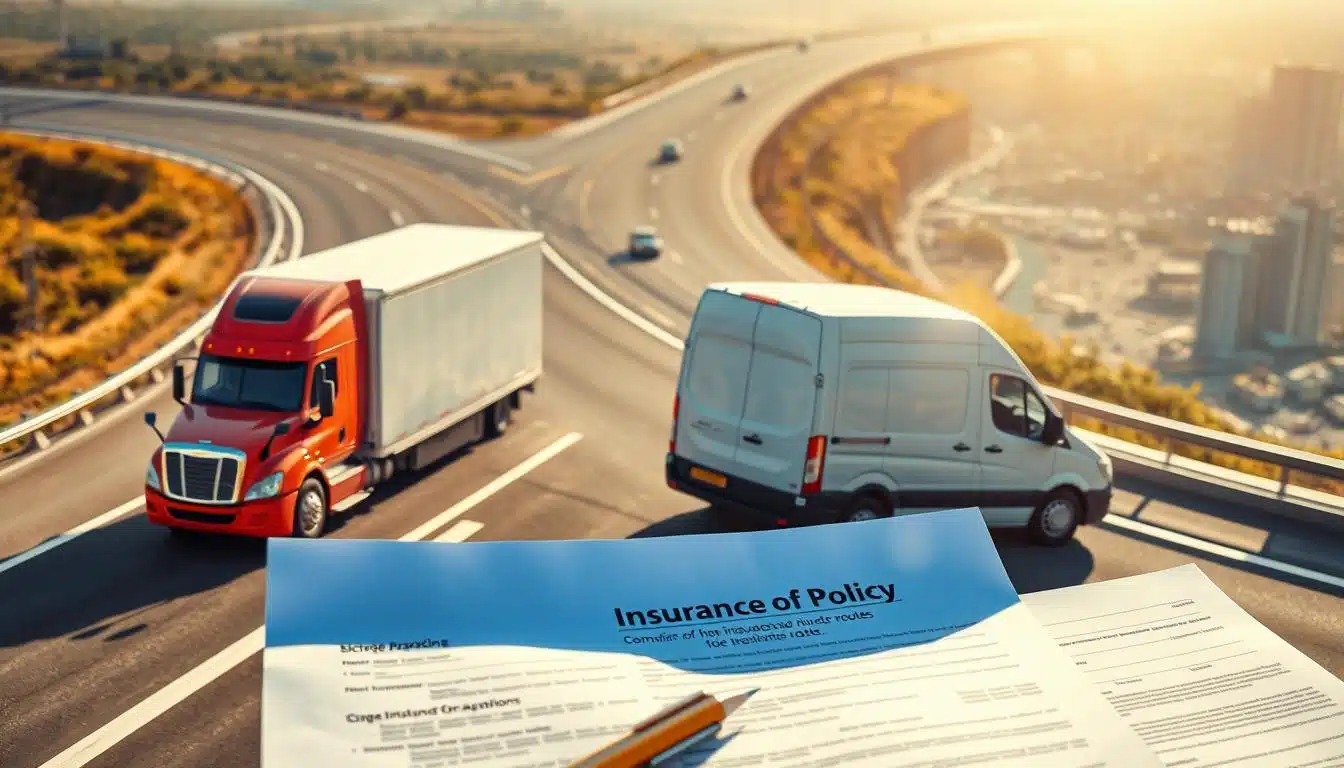
Your business depends on keeping your rigs on the road and protected. The nature of your work—whether you cross state lines or stay close to home—directly shapes your financial safety net. Understanding this connection is the first step toward smart, cost-effective decisions.
Commercial vehicle protection costs are not one-size-fits-all. Owner-operators and small fleets can see annual premiums ranging from $8,000 to over $20,000 per unit. This wide variation stems from the distinct risks associated with different trucking operations.
A driver covering thousands of miles faces different exposures than one making multiple short trips. Your specific coverage needs must match the unique vulnerabilities of your daily schedule. This ensures you meet all legal requirements without paying for unnecessary extras.
Key Takeaways
- Your operational radius is the primary factor influencing your protection costs and requirements.
- Long-distance hauling typically involves higher premiums due to increased risk exposure.
- Local delivery routes have different, but still significant, insurance considerations.
- Accurately assessing your daily mileage and cargo types is crucial for proper coverage.
- Selecting the right policy protects your business assets and ensures regulatory compliance.
- Understanding these differences helps you avoid overpaying for services you don’t need.
Understanding Operations: Long-Haul and Local Trucking
The fundamental distinction in your business model lies in the geographic scope of your daily journeys. This operational radius is the primary driver behind your vehicle choices, daily schedules, and the specific risks you encounter.
Your choice directly impacts everything from the type of equipment you operate to the skills your drivers need to master.
Long-Haul Trucking: Extended Routes and Diverse Risks
When your operations extend beyond a 250-mile radius, you are engaged in long-haul trucking. This often involves crossing state lines and covering vast distances.
Long-haul truckers spend weeks on the road, making sleeper cabs a necessary home away from home. The extensive travel exposes you to varied weather and road conditions, significantly increasing risk exposure.
Local Trucking: Reduced Mileage and Urban Challenges
Local trucking confines your work to a smaller radius, typically under 150 miles. This allows your drivers to return home each night.
The challenges here are different. You face frequent stops, city traffic, and navigating tight spaces. Urban environments often lead to a higher frequency of minor accidents.
The table below highlights the core differences between these two operational models:
| Feature | Long-Haul Operations | Local Operations |
|---|---|---|
| Primary Radius | 250+ miles | Under 150 miles |
| Typical Routes | Cross-country, interstate | Metropolitan, regional |
| Vehicle Type | Tractors with sleeper cabs | Straight trucks, vans |
| Key Challenge | Extended hours, varying conditions | Traffic density, maneuverability |
Understanding these distinctions is the first step in assessing your specific needs for moving goods efficiently and safely.
Truck Insurance for Long-Haul vs Local Routes Coverage Essentials
Building a robust financial safety net requires a precise understanding of the essential protections for your operation. The specific coverages you select must directly address the unique hazards you face on the road.
Primary Liability and Physical Damage Insurance
Primary liability is the foundation of your commercial vehicle policy. It is mandatory and protects you if you are responsible for an accident causing bodily injury or property damage.
For interstate operations, federal law sets a minimum, but shippers often require higher limits. Physical damage coverage is also crucial. It pays for repairs to your own vehicle after collisions, theft, or vandalism.
Cargo, Bobtail, and Non-Trucking Liability Considerations
Cargo insurance safeguards the freight you transport. Your policy limits should match the value of the goods you typically haul.
Bobtail liability applies when you drive your power unit without a trailer. This is vital for long-haul drivers between jobs. Non-trucking liability covers personal use of the vehicle, filling a gap during off-duty time.
Your complete set of insurance policies weaves these individual coverages into a single, comprehensive shield for your business.
Regulatory Compliance and Risk Management Strategies
Effective risk management begins with a thorough grasp of the regulatory environment governing your transportation activities. Your compliance efforts directly impact operational safety and financial stability.

Understanding these frameworks helps you build comprehensive protection while avoiding costly penalties.
Federal and State Regulatory Requirements
Different operational scopes face distinct regulatory landscapes. Interstate commerce falls under federal oversight with specific insurance requirements.
Crossing state lines triggers FMCSA compliance, including hours-of-service rules. Local operations primarily follow state regulations that may vary significantly.
Implementing Safety and Risk Mitigation Programs
Proactive safety measures demonstrate your commitment to risk reduction. Comprehensive driver training programs address the unique challenges of different routes.
Telematics systems and regular maintenance schedules help mitigate operational risks. These investments often lead to improved safety records and potential premium reductions.
| Regulatory Aspect | Federal Requirements | State-Level Variations |
|---|---|---|
| Insurance Minimums | Mandatory for interstate commerce | Varies by jurisdiction |
| Driver Compliance | Hours-of-service tracking | Additional local restrictions |
| Safety Documentation | Federal reporting required | State-specific forms |
Your compliance strategy should address both regulatory mandates and practical risk management. This dual approach protects your assets while ensuring legal operation across all routes.
Cost Dynamics: Premiums, Liabilities, and Financial Factors
The economic landscape of your hauling business is shaped significantly by insurance cost dynamics and coverage decisions. Your monthly expenses vary based on operational specialization.
In 2023, specialized operations like waste or log transport averaged $767 monthly. General freight carriers paid around $1,041 per month. These differences reflect varying risk profiles.
Understanding Premium Influencers and Coverage Limits
Extended operations typically result in higher premiums. Increased exposure from distance and road conditions drives these costs. Multiple factors influence your final rate.
Your driving distance and cargo type significantly impact premiums. Experience level and safety records also play crucial roles. Local operations generally enjoy lower premiums due to reduced mileage.
Urban environment risks still affect your costs. Vehicle condition and driving history remain important considerations. Higher deductibles can reduce your premiums due to increased risk sharing.
Federal regulations often mandate $750,000 to $1 million in liability protection. Specific contracts may demand even higher limits. Your coverage decisions directly impact potential out-of-pocket expenses from claims.
Working with experienced providers helps identify opportunities for cost optimization. Safety improvements and effective claims management can lead to better premium structures for your business.
Driver and Operational Factors Impacting Insurance
Your operational profile, from driver credentials to equipment specifications, directly influences premium calculations. Insurers evaluate multiple elements to determine appropriate coverage levels and costs.
Driver Experience, Claims History, and Safety Records
Seasoned operators with clean records typically receive more favorable rates. Your drivers’ experience levels and accident history significantly impact costs.
A pattern of frequent claims signals higher risk to providers. This can substantially increase your premium expenses over time.
The Influence of Route Types and Vehicle Specifications
Extended journeys covering vast distances involve different hazards than urban deliveries. Your operational radius dramatically affects exposure assessments.
Newer equipment with advanced safety features may qualify for discounts. However, high-value vehicles naturally cost more to protect.
| Factor Category | Positive Impact | Negative Impact |
|---|---|---|
| Driver Qualifications | Extensive experience, clean record | Recent violations, frequent claims |
| Vehicle Specifications | Advanced safety features, proper maintenance | High-value units, older models |
| Route Characteristics | Local radius, familiar territories | Cross-state operations, challenging routes |
Managing these elements strategically helps minimize risk and control expenses. Your business success depends on comprehensive operational assessment.
Conclusion
Your financial security on the highway depends on matching your policy selections to the actual demands of your transportation work. Both extended and regional operations present unique challenges that require tailored protection solutions.
Your specific needs vary significantly based on whether you cover vast distances or work within a confined radius. Extended journeys demand higher liability limits to address diverse risks encountered across multiple jurisdictions.
Regional work requires robust protection against urban-specific hazards and frequent operational activities. Working with knowledgeable providers helps craft policies that address your particular route types and driver requirements.
By selecting appropriate coverages and balancing protection with manageable premiums, you ensure your business remains compliant and financially secure. Your success ultimately depends on making informed decisions that safeguard your assets regardless of distances traveled.
